




Winter invites many of us to slow down, reset, and create a home that feels warm and comfortable. It is also a season when daily habits shift. We spend more time indoors, use more energy, and store more clothing and bedding. This makes winter an ideal moment to explore small, sustainable choices that are good for you and good for the environment.
Living sustainably in winter does not require dramatic lifestyle changes. Instead, it is about thoughtful adjustments that support comfort, reduce waste, and help preserve the things you already own. From energy efficient habits to conscious wardrobe care, the colder months can become an opportunity to build routines that last well beyond the season.
Below are simple ways to live more sustainably in winter, including practical guidance on caring for the clothing that carries you through the cold.
Choose Natural Fibers and Care for Them Well
Winter wardrobes often include wool, cashmere, cotton, and silk — all natural fibers that are both breathable and long lasting. Opting for natural materials is one of the simplest ways to live more sustainably. Unlike synthetic fabrics made from plastics, natural fibers break down more easily at the end of their life and are often produced with fewer chemical processes. By choosing quality pieces made from renewable materials and caring for them well, you reduce waste and the need for frequent replacements.

Small habits can make a lasting difference. Store knitwear neatly to avoid stretching, leave space between garments to allow air to circulate, and give pieces a gentle refresh between wears instead of washing after every use. For long term care, breathable organic cotton storage bags support airflow and protect delicate fibers from dust and damage. Thoughtful storage not only extends the lifespan of your clothing but also supports a more mindful and environmentally responsible approach to fashion.
Wash Winter Clothing the Sustainable Way
Laundry tends to increase in winter, but small changes can make your routine more eco conscious.
- Wash only when needed. Wool and cashmere do not require frequent washing and often benefit from a simple air out.
- Use cold water whenever possible. It protects fibers and significantly reduces energy use.
- Choose a gentle detergent designed for delicate fibers. Softer formulas help preserve the texture of knitwear and slow down pilling.
- Air dry flat. This avoids shrinkage and helps garments maintain their original shape.
Once dry, store winter favorites in breathable cotton rather than plastic. This keeps fibers fresh and reduces moisture buildup that can damage delicate pullover knits.

Lower Energy Use While Staying Warm
Energy use naturally rises during winter, but even small shifts can make a home more efficient.
- Layer indoors rather than relying solely on heating.
- Use thicker curtains or draft stoppers to retain warmth.
- Switch to LED bulbs which last much longer and use less energy.
- Unplug chargers and small appliances when not in use. Many continue to draw power in standby mode.
- Wash laundry during off peak times for a greener energy cycle.
These gentle adjustments create a home that feels warm while keeping energy use lower through the season.
Create an Organized Winter Wardrobe System
Sustainability often begins with knowing what you already own. An organized wardrobe reduces impulse shopping and allows winter pieces to be rotated evenly, giving each garment the care and attention it needs.
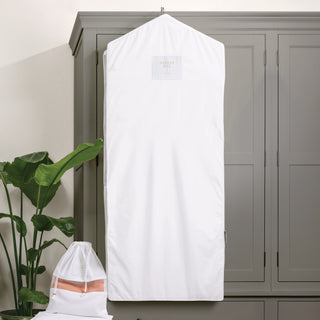
Coats and longer garments benefit from hanging storage that protects them from dust while still allowing airflow. A thoughtful hanging bag can help maintain the structure of wool coats and keep occasion wear pristine between outings.

Knitwear and accessories often do best when folded neatly. Storing them in breathable bags helps maintain their shape and keeps them easy to find. Even a small introduction of natural fabric storage can transform how winter wardrobes function.
By creating a simple system, you extend the life of garments you love and reduce the need to replace seasonal staples.
Reduce Waste in Your Home
Winter can bring more packaging, more food storage, and more indoor activities. With that comes the potential for increased waste. A few mindful practices can make a meaningful impact.
Use sealed glass jars for pantry staples. This will also protect your dry goods from Pantry Moths.
Choose reusable bags and wraps for storing winter produce or leftovers.
Repair small garment damages before they worsen.
Donate warm clothing to local communities where it is needed most during cold weather.
Choose natural storage materials instead of plastic. Breathable cotton supports garment preservation without the drawbacks of synthetic fabrics.
Sustainable living is not about achieving perfection. It is about small everyday habits that reduce waste and extend the life of what you already have.

Store Winter Accessories with Care
Scarves, gloves, hats, and wraps often get lost in drawers or crumpled at the bottom of closets. Breathable storage keeps them fresh and organized for the entire season.
Soft cotton dust bags help protect accessories without trapping moisture. Using a few to hold winter scarves or special pieces keeps them organized and makes getting dressed more enjoyable. Natural materials offer protection that still allows fibers to breathe.
Simple habits like these ensure accessories stay in good condition year after year, reducing the need to replace items each winter.
Winter as an Opportunity for Sustainable Habits
Winter naturally encourages introspection and slower rhythms. It is a time to nest, to nurture the home, and to care for the wardrobe that supports everyday life. Sustainable living during this season does not require a complete lifestyle shift. It simply calls for gentler routines that respect what you already own.
With considered choices, you can create a home that feels warm, calm, and organized while supporting a more sustainable way of living. From caring for cashmere to lowering energy use, each small habit contributes to a winter that is mindful and comforting.