

Travel is a natural extension of a thoughtful lifestyle. Whether departing for a quiet weekend in the countryside or an extended transcontinental journey, travel requires moving clothing from the organized environment of a home closet into the confined quarters of a suitcase. Many travelers view packing as a simple logistical task, yet it is a critical aspect of garment care.
Moving garments out of fixed storage increases the risk of fiber compression, surface friction, and material strain. A refined approach to packing ensures that a curated wardrobe remains protected throughout transit. By adopting a system based on fabric preservation and organized separation, garments arrive in the same pristine condition as when they left your home.
The Science of Wardrobe Preservation During Travel
Understanding smart packing requires an understanding of how textile fibers respond to mechanical stress during movement. While preventing visible creasing is often the primary concern, maintaining the structural integrity of natural fibers is far more critical for long term longevity.
Natural materials such as silk, cashmere, fine wool, and linen possess distinct organic structures. Cashmere and wool fibers rely on microscopic crimp to retain their natural elasticity and loft. Silk, a continuous protein fiber, requires careful handling to prevent permanent creasing along tight fold lines. According to textile preservation research from institutes such as The Woolmark Company, natural fibers require mechanical relief and air space to retain their natural resiliency.
During transit, two primary forces act upon garments within luggage: friction and compression.
-
Friction occurs when individual garments rub against each other or against the interior lining of a suitcase during movement. This continuous surface contact weakens yarn structures, raises surface fibers, and leads to pilling, particularly on soft knits.
-
Compression occurs when heavy items exert pressure on delicate materials. When garments are tightly packed under weight, individual fibers collapse. Deep compression strips natural air pockets from knits and creates sharp creases that require heat or steam to correct. Overexposing delicate fabrics to steam or excessive ironing can strip natural oils, leading to premature fiber brittleness.

Preventing transit damage requires reducing friction between contrasting textures and mitigating heavy structural pressure through deliberate packing systems.
Eliminating Suitcase Chaos with Organic Cotton Storage Bags
Suitcase chaos often arises from a lack of internal structure. Loose garments shift during transit, causing delicate silks to rub against coarse denim, exposed zippers, or outer jacket linings.
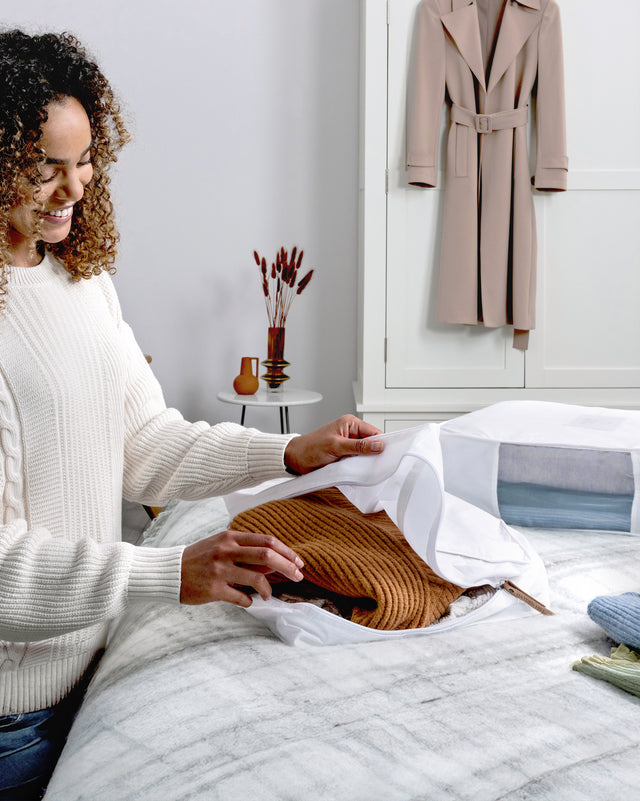
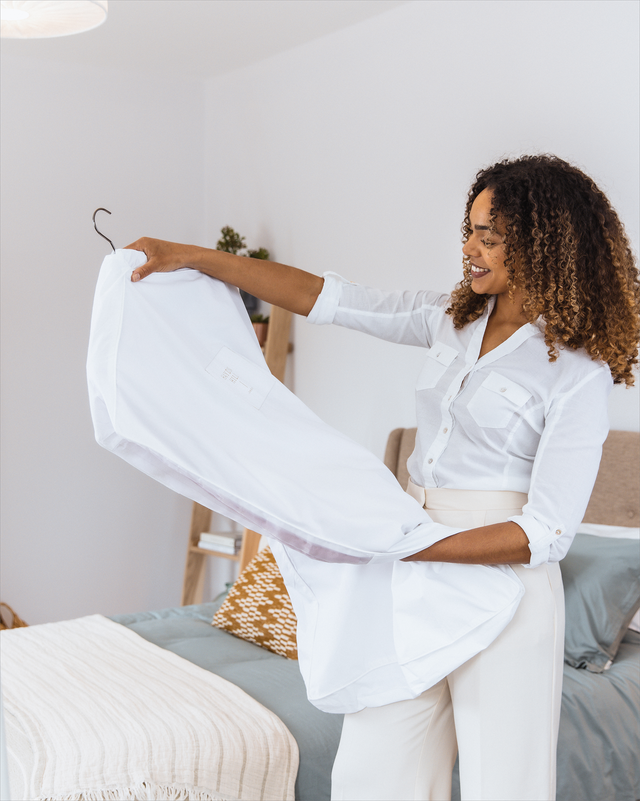
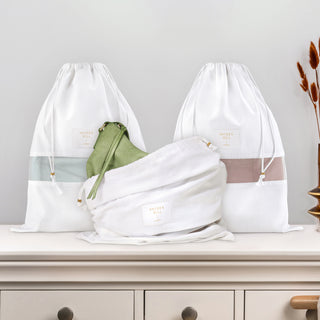
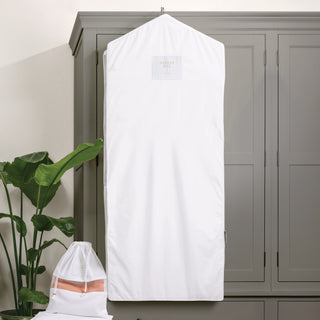
Using organic cotton storage bags within a suitcase creates a clean, modular system that protects individual clothing categories while keeping the suitcase organized.
Categorized Garment Separation
Organizing garments into dedicated storage bags prevents physical contact between dissimilar textiles. Fine cashmere knits should be placed together in a breathable cotton storage bag, isolated from structured trousers or tailored jackets. This physical barrier ensures that delicate knits do not catch on hardware or suffer from abrasive contact with coarser weaves.
Maintaining Breathability
Plastic packing cubes and synthetic compression bags are detrimental to natural fibers. Synthetic materials trap ambient humidity, creating a microclimate that can encourage moisture retention, stale odors, and fiber weakening. Organic cotton storage bags allow air to circulate freely around garments even when enclosed inside a hard shell suitcase. This continuous breathability allows fibers to adjust naturally to changing ambient temperatures during flight or transit.
Protecting Cabin Accessories with Small Organic Cotton Dust Bags
Garment care extends beyond the main suitcase. Cabin bags and personal carry-on totes host a variety of small, daily items that require intentional separation to prevent accidental damage.
Small organic cotton dust bags provide protective housing for small items carried in the cabin, such as delicate leather accessories, eyewear, jewelry, silk scarves, or compact electronics and chargers.
Loose cables, metallic hardware, keys, and cosmetic containers carried inside a cabin bag pose a constant risk of snagging or scratching delicate items. Placing fine accessories inside soft cotton dust bags shields them from surface abrasion. Additionally, organizing cabin items into distinct cotton pouches prevents small travel necessities from becoming lost at the bottom of a carry-on, maintaining a sense of order throughout the journey.
Post-Wear Care: Separating Garments with Travel Laundry Bags
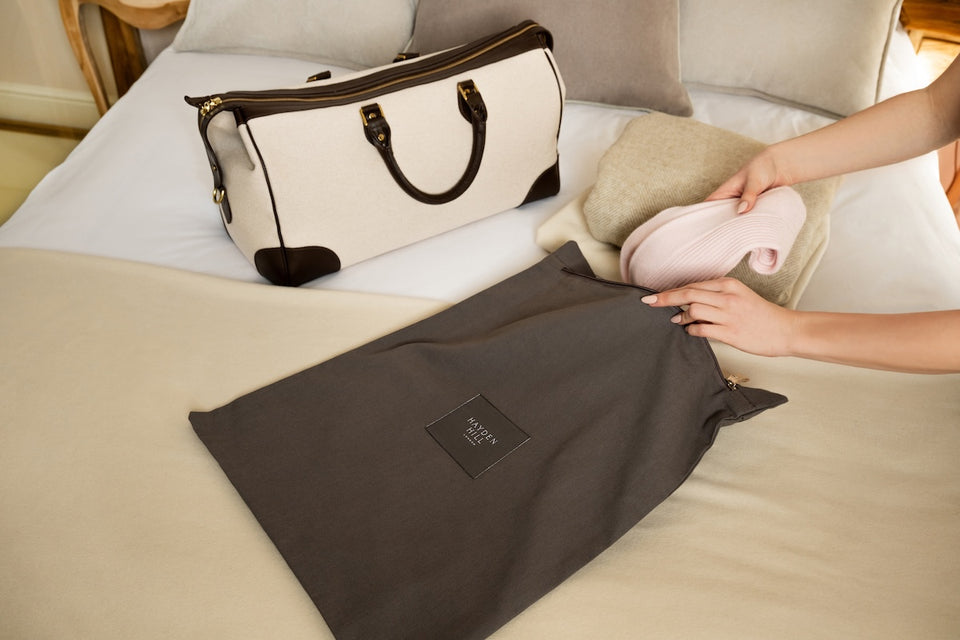
A complete travel care routine accounts for garments after they have been worn. Mixing worn clothing directly with clean, unworn items inside a suitcase introduces moisture, skin oils, and microscopic residues to fresh natural fibers.
Dedicated travel laundry bags keep worn clothing isolated from the rest of your wardrobe throughout the return journey.
Protecting Clean Fibers from Residue Transfer
Even brief wear leaves trace amounts of perspiration and moisture on fabric fibers. According to textile preservation standards, female Clothes Moths (Tineola bisselliella) are primarily attracted to animal fibers that contain organic residues or perspiration moisture. Placing worn clothing back into direct contact with clean wool or cashmere inside a confined suitcase increases the risk of transferring odors and attracting fabric pests once back home.
Odor and Humidity Control
Storing worn garments in a breathable, washable organic cotton travel laundry bag ensures that dampness is not trapped against clean clothes. Cotton absorbs excess ambient moisture while allowing lingering humidity to dissipate naturally, keeping the remaining unworn wardrobe fresh until arrival.
The Strategy of Structured Layering and the Travel Capsule
Reducing total luggage volume is one of the most effective methods for protecting garments in transit. Overpacking creates high compression, forcing fibers together under heavy pressure.
Adopting a travel capsule wardrobe ensures every item has sufficient physical space within the suitcase.
Building a Balanced Travel Wardrobe
A functional travel capsule relies on versatile, coordinating pieces that layer seamlessly:
-
Three coordinating tops crafted from breathable natural fibers.
-
Two versatile bottoms suitable for varied settings.
-
One structured outer layer, such as a tailored blazer or lightweight wool coat.
-
A unified color palette - such as navy, charcoal, cream, or sand - allowing all pieces to integrate easily.
Keeping a suitcase filled to approximately 75 per cent capacity ensures a natural buffer of space. This remaining room acts as a physical cushion, reducing compression creases and allowing air to circulate around garment storage bags.
Rolling Versus Folding Logic

The choice between rolling and folding depends entirely on textile structure:
-
Rolling is ideal for soft knits, t-shirts, and jersey materials. Rolling minimizes hard folds and maximizes space efficiency within organic cotton storage bags.
-
Folding is necessary for structured tailoring, crisp cotton shirting, and delicate silk garments. Tailored jackets contain internal chest canvas and shoulder padding that rolling can permanently distort. These pieces should be folded flat along natural seams, using acid-free tissue paper or cotton buffers inside the folds to prevent sharp creasing.
Refreshing Garments Upon Arrival
Care does not end upon reaching your destination. Unpacking immediately upon arrival is essential for fiber recovery.
-
Remove Garments from Luggage: Unzip suitcase storage bags and remove tailored pieces and knits promptly to relieve any compression sustained during transit.
-
Hang in Ventilated Spaces: Place garments on broad, contoured hangers in a room with good air movement. Natural fibers require oxygen to regain their natural shape and release transit odors.
-
Utilize Gentle Humidity: For minor creasing, hang garments in a bathroom while taking a warm shower. The ambient steam relaxes tight textile fibers without subjecting delicate silk or cashmere to the harsh, direct heat of a travel iron.
-
Air Out Worn Items: Keep worn garments in their dedicated travel laundry bag until they can be properly laundered or professionally cleaned according to their specific care instructions.
Traveling with Intention
Packing thoughtfully is a quiet practice of respect for the items you own. By transitioning from disorganized packing to an intentional system of organic cotton storage bags, cabin dust bags, and travel laundry bags, you protect the craftsmanship and integrity of your wardrobe wherever you travel.
Preserving clothing longevity requires minimal effort when supported by the correct natural materials. Respecting the fundamental requirements of natural fibers - airflow, separation, and protection from friction - ensures that every piece remains ready to wear for years to come.
Frequently Asked Questions

Should clothes be rolled or folded when packed in a suitcase?
Soft knits, jersey fabrics, and casual cotton tops should be rolled to maximize luggage space and reduce fine creases. Structured blazers, tailored trousers, and delicate silk garments should be folded flat along natural construction seams to prevent fiber distortion and sharp pressure lines.
Why should plastic packing cubes be avoided for natural fabrics?
Plastic storage cubes trap ambient humidity inside sealed compartments. This trapped moisture weakens natural fibers over time and encourages stale odors, whereas breathable organic cotton bags maintain natural air circulation throughout transit.
How do small cotton dust bags protect accessories in carry-on bags?
Small organic cotton dust bags form a soft surface barrier around delicate leather goods, eyewear, jewelry, and silk scarves. This protective barrier prevents sharp keys, loose cables, and zippers inside cabin totes from scratching or snagging accessories.
How do you keep clean clothes fresh when traveling with worn garments?
Worn garments should be placed in a dedicated organic cotton travel laundry bag immediately after wearing. Isolating worn items prevents perspiration residues, skin oils, and lingering odors from transferring to clean fabrics inside your luggage.
What is the safest way to remove travel wrinkles without an iron?
Hanging creased garments in a bathroom during a warm shower allows gentle humidity to relax tight textile fibers. Indirect steam restores natural shape safely without subjecting delicate silk or cashmere to damaging direct heat.
How do breathable storage bags prevent pest attraction during travel?
Organic cotton travel laundry bags isolate worn garments containing moisture, food residue and stains. Isolating worn pieces reduces the risk of female clothes moths (Tineola bisselliella) being attracted to natural wool or cashmere fibers within your suitcase.