

Spring invites a natural sense of renewal, making it the ideal season to transition from the heavy textures of winter to a lighter, more intentional wardrobe. Building a dream closet is not merely about acquiring new pieces; it is a process of thoughtful curation and preservation. A well-structured spring wardrobe serves as a functional system that simplifies daily life while honoring the integrity of the garments you choose to keep.
By focusing on quality over quantity and implementing professional organization standards, you can create a sanctuary for your spring clothes that reflects a commitment to longevity. This guide explores the essential steps to architecting a spring closet that balances aesthetic beauty with exceptional performance.
Define Your Spring Aesthetic Through Curation
The foundation of a dream closet is a clear understanding of your personal style and the roles your clothing plays in your life story. Spring is a season of transition, requiring pieces that offer versatility across changing temperatures and environments.
The Edit: How to Declutter with Intention

Building your dream closet begins with a rigorous edit of your current collection. Knowing how to declutter effectively allows you to remove the "noise" of unused items and focus on the pieces that truly provide value.
-
The Seasonal Audit: Remove everything from your closet. This visual "blank slate" allows you to see the physical potential of the space.
-
Evaluate Every Fiber: Hold each garment and inspect it for signs of wear, pilling, or fading. If a piece no longer aligns with your aesthetic or requires repairs you aren't willing to make, it is time to part with it responsibly.
-
Identify Core Essentials: Select high-quality basics in neutral palettes, such as stone, sage, or cream that can be layered effortlessly as the weather shifts.
The "Worth Keeping" Philosophy
A dream closet is built on the belief that the things worth having are worth keeping. Adopting this mindset encourages you to invest in spring wardrobe essentials designed for decades rather than fleeting seasons. When every item in your closet is chosen with intention, the space becomes a curated archive of your personal taste. High-quality spring clothes like organic cotton trenches, silk blouses, and linen trousers form the backbone of a sophisticated, sustainable wardrobe.
Mastering the Art of Hanging and Folding

A common mistake in wardrobe management is failing to distinguish between garments that require hanging and those that must be folded. Incorrect storage can lead to "shoulder bumps," permanent stretching, or fiber breakage.
To Hang or To Fold?
The weight and weave of a fabric dictate its storage needs.
-
What to Hang: Structured items such as blazers, trench coats, crisp cotton shirts, and tailored trousers should always be hung. Silk dresses and blouses also benefit from hanging to prevent deep creases.
-
What to Fold: Knitwear is the primary candidate for folding. Even lightweight spring knits can stretch under their own weight if left on a hanger. Similarly, heavy denim and embellished pieces should be folded to preserve their shape.
Selecting the Right Hangers
The utility of a dream closet is often undermined by poor-quality hangers. Wire or thin plastic hangers provide inadequate support and can damage delicate spring fabrics.
-
Wooden Hangers: Ideal for heavy jackets and coats, providing the structural support necessary to maintain shoulder shape.
-
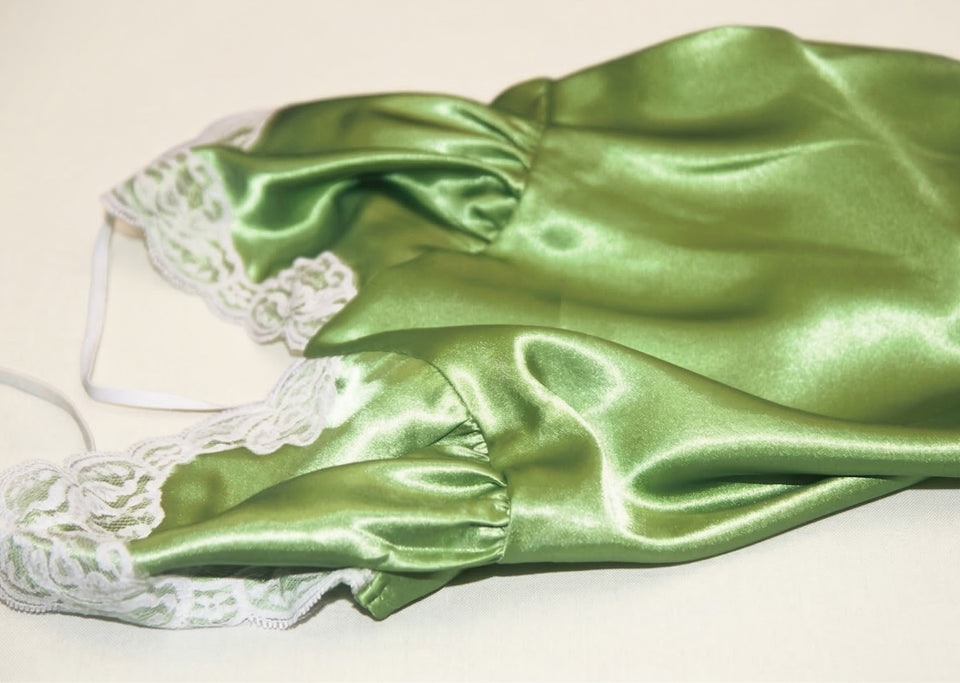
Padded Hangers: These are excellent for delicate silk or satin items, offering a soft grip that prevents slipping without snagging the fibers.
-
Uniformity is Key: Using a consistent style of hanger not only protects your clothes but also creates a calm, visually streamlined environment that mimics a high-end boutique.
Creating a Spring Organization System
A dream closet must work as beautifully as it looks. Professional organization transforms a cluttered space into an intuitive system where every item is visible and protected.
Strategic Layout and Visibility
Visibility is essential for maintaining an organized wardrobe. When you can see your collection clearly, you are more likely to rotate your items evenly and avoid impulse purchases.
-
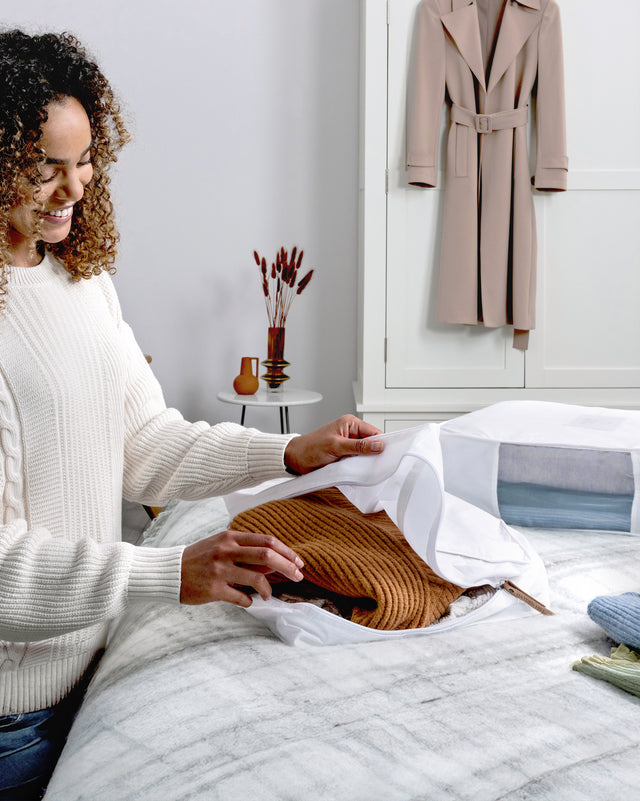
Utilize Sheer Panels: Storage solutions with sheer panels allow you to identify garments at a glance while maintaining a uniform, boutique-like aesthetic.
-
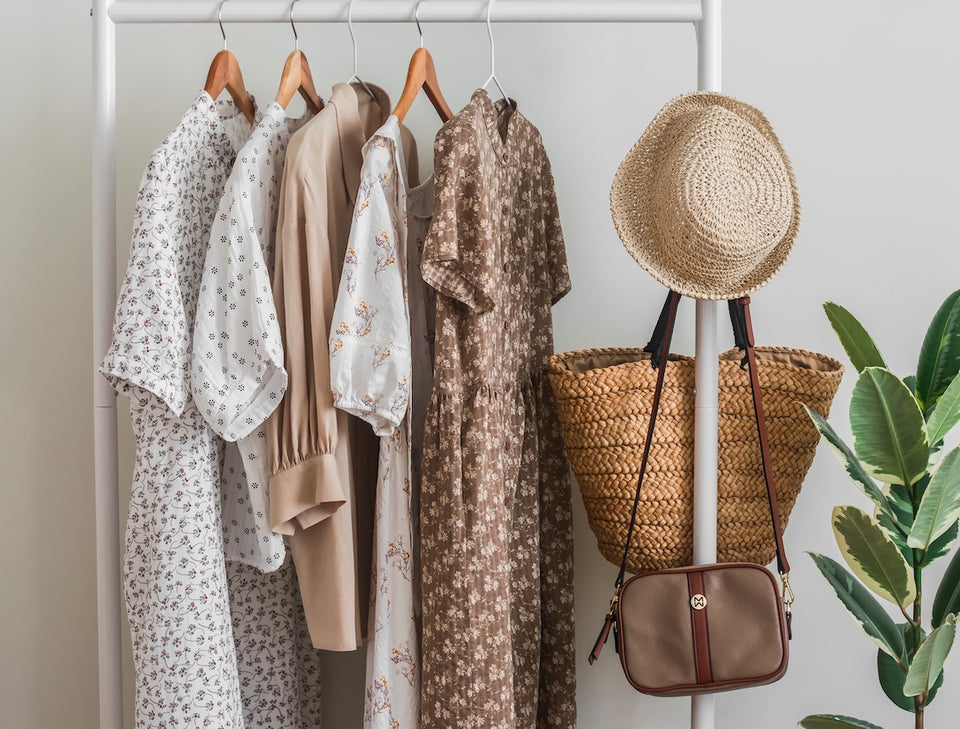
Group by Category and Color: Organize your spring clothes by type - such as blouses, jackets, and dresses - and then by color to create a calm, visually cohesive environment.
-
Establish Dedicated Zones: Assign specific areas for daily wear, occasion wear, and accessories to streamline your morning routine.
The Importance of Breathable Protection
As you introduce spring wardrobe essentials like silk camisoles and fine cotton knitwear, the method of protection becomes critical. Natural fibers require airflow to maintain their structure and prevent the buildup of moisture.
-
Avoid Plastic Storage: Plastic bags and bins trap humidity and can lead to fabric yellowing or the growth of mold. This is particularly dangerous for light-colored spring fabrics.
-
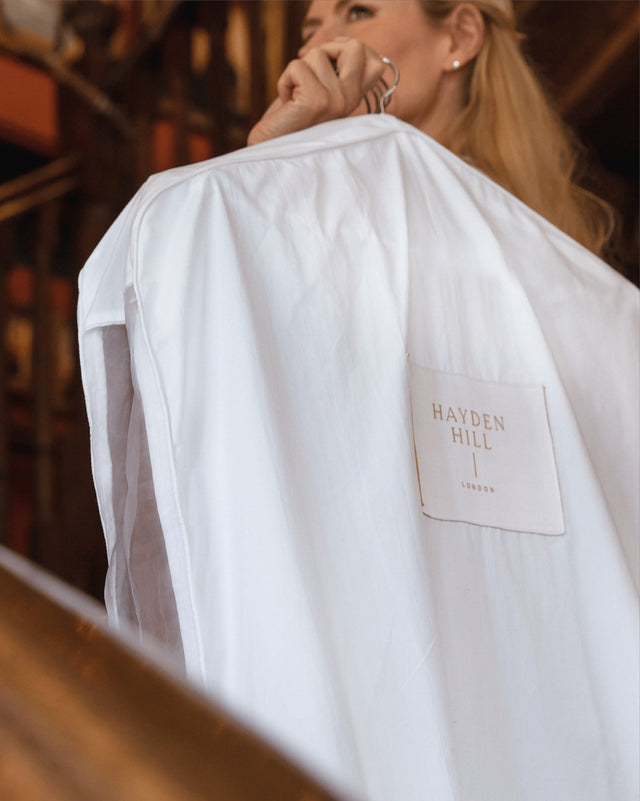
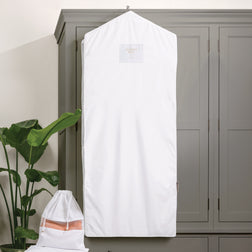
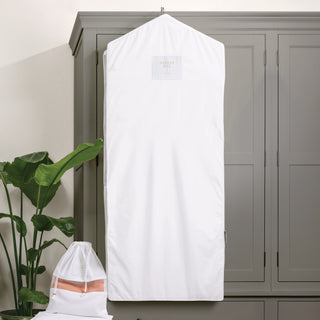
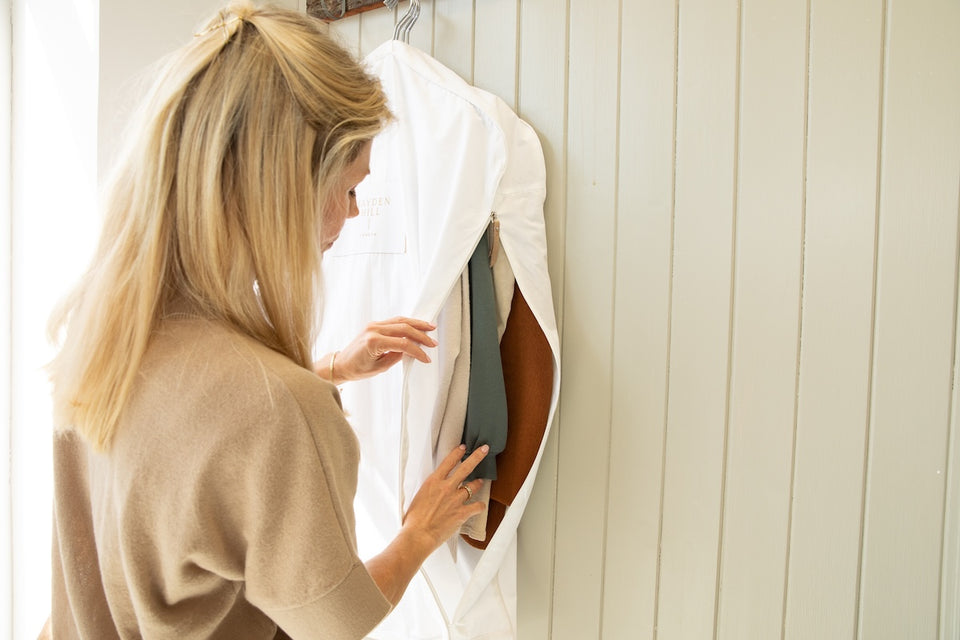
Implement Organic Cotton Solutions: Use breathable organic cotton garment bags for hanging storage. These provide a barrier against dust and light while allowing the fibers to breathe naturally.
Seasonal Rotation: Transitioning from Winter
While the focus is on the upcoming season, the transition requires a brief, respectful handling of your winter favorites. Proper storage ensures your heavy wools and cashmere remain in pristine condition until the cold returns.
-
Clean Before Storing: Never store garments with lingering oils, perfumes, or food particles. These substances can oxidize over time, causing permanent stains, and are a primary food source for clothes moths.
-
Use Natural Detergents: For delicate winter knits, use gentle formulations that clean without stripping the natural lanolin from wool fibers.
-
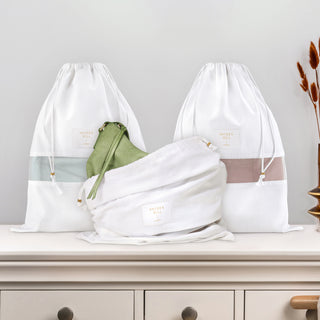
Secure in Breathable Bags: Place cleaned sweaters and coats in organic cotton bags. This protects them from moth damage and light exposure during their period of rest.
Curating Your Spring Wardrobe Essentials
A dream closet is defined by its versatility. When selecting new additions for the season, focus on pieces that bridge the gap between functionality and refinement.
-
The Trench Coat: A classic silhouette in a breathable cotton gabardine is the ultimate spring layer.
-
The Silk Blouse: Silk is a natural thermoregulator, keeping you cool as temperatures rise.
-
Linen Separates: Known for its exceptional durability and moisture-wicking properties, linen is a staple for a sophisticated spring aesthetic.
-
Lightweight Knitwear: Cotton or silk-blend cardigans provide necessary warmth for spring mornings without the bulk of winter wool.
Maintaining the Dream: A Legacy of Care
Building your dream closet is an ongoing commitment to caring for what you love. This philosophy extends beyond the physical space and into the daily rituals of garment maintenance.
By treating your wardrobe as an investment, you ensure that each piece is ready to be worn at a moment's notice. High-quality garment care is a form of sustainability; the longer a garment stays in your closet in perfect condition, the less impact you have on the environment. High standards of care - from learning how to declutter seasonal items to selecting the finest organic storage materials - reflect a respect for the craftsmanship behind your clothing.
Hayden Hill provides the tools to ensure that your spring clothes remain as vibrant and structural as the day you first wore them.