
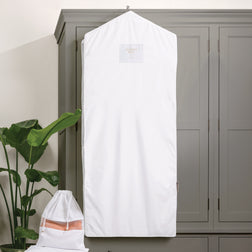

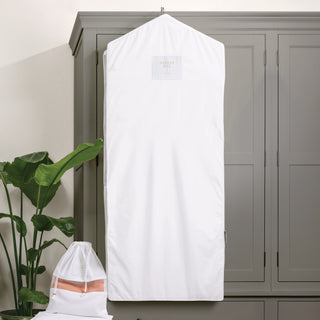


As the light of April reveals the layers of dust we may have overlooked during the winter months, a fresh sense of energy enters our homes. Spring cleaning is more than a traditional household chore; it is a vital ritual of preservation and care for the items that define our personal style. While we often focus on deep-cleaning floors or rotating heavy seasonal knitwear into long-term storage, one of the most significant threats to your clothing is settling quietly on your hanging garments every single day.
This month, as you transition your wardrobe for the new season, it is the ideal time to implement a thoughtful system of protection using breathable shoulder dust covers. By understanding the science of dust and the mechanics of airflow, you can ensure your favorite spring blazers, silk blouses, and linen dresses remain in pristine condition for years to come.
The Science of "Invisible" Dust Damage
Dust is not merely a surface nuisance; it is a complex mixture of fibers, skin cells, microscopic pollutants, and environmental debris. In the enclosed environment of a closet, these particles settle on the highest horizontal surfaces - which, in the case of your wardrobe, are the shoulders of your hanging clothes.
When allowed to accumulate, dust acts as a microscopic abrasive. As garments move against one another on the rack, these particles create friction that can weaken the delicate structure of natural fibers like silk, wool, and fine cotton. Over time, this friction leads to thinning of the material and a loss of the garment's original luster.

Furthermore, dust is hygroscopic, meaning it attracts and holds onto moisture from the air. When moisture is trapped against fabric by a layer of dust, it can lead to localized yellowing or "acid spotting," particularly on light-colored spring fabrics. By the time a visible "dust line" appears along the shoulder seam, the chemical and physical damage to the fibers may already be permanent. Implementing thoughtful systems of protection is the only way to prevent this silent deterioration.
Why Shoulder Covers are the Essential April Solution
April represents a unique moment in the garment care calendar. We are beginning to reach for lighter layers, yet many of our transitional pieces remain hanging for weeks at a time between wears. Unlike winter coats that are tucked away in full-length bags, spring wardrobes require a balance of protection and accessibility.
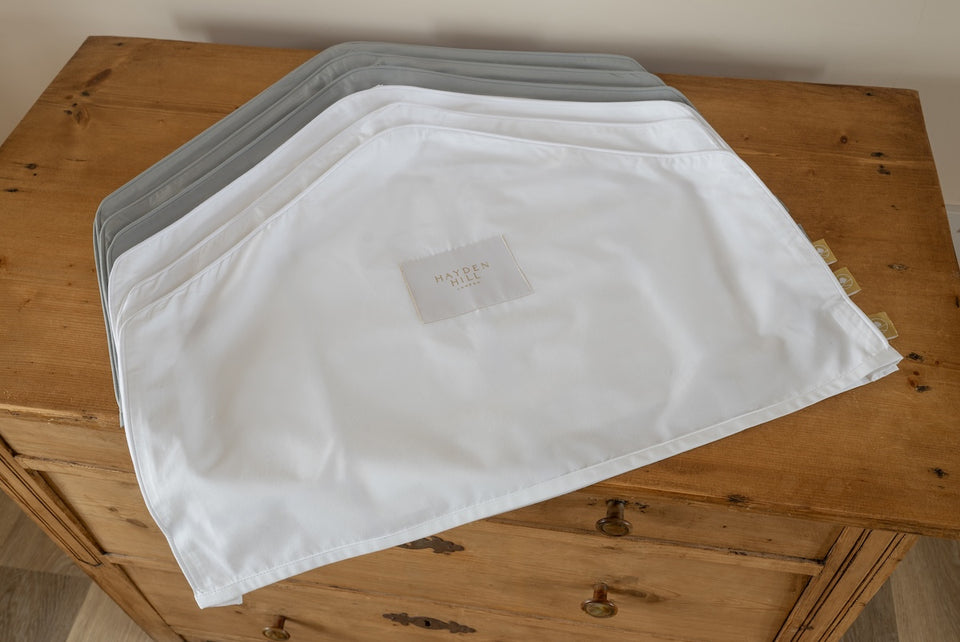
Shoulder dust covers provide a breathable barrier that prevents dust accumulation on delicate fabrics. The primary benefit of the dust cover is to shield the most vulnerable part of the garment while leaving the bottom open for easy identification and airflow.
The Importance of Breathable Storage
At Hayden Hill, we emphasize the use of natural materials because they mirror the needs of the garments themselves. Natural fibers require breathable storage to prevent moisture damage. When a garment is encased in a plastic dry-cleaning bag or a synthetic polyester cover, it is subjected to a "greenhouse effect." Changes in room temperature cause moisture to condense inside the plastic, leading to fiber rot and unpleasant odors.
Our dust covers are handcrafted from 100 per cent organic cotton. This material is not only sustainable but also archival-grade. It provides a soft, pH-neutral environment for your clothes. By choosing organic cotton over plastic, you are investing in the longevity of your wardrobe and supporting a more thoughtful ownership model.
Practical Instructions for a Spring Wardrobe Reset
To effectively protect your wardrobe this April, follow this expert-led routine for seasonal transition:
1. The Inspection Phase Before placing any garment under a dust cover, perform a thorough inspection. Check for small stains, especially around the neckline and underarms. Organic matter from perspiration or perfume can oxidize over time, becoming much harder to remove if left unaddressed. Garment care affects long-term wardrobe value, and starting with clean clothes is the first step in that value preservation.
2. Addressing the "Shoulder Problem" Identify the pieces in your closet that are worn less than once a week. These are the primary candidates for shoulder covers. Blazers, evening wear, and delicate blouses benefit most from this targeted protection. The cover should sit comfortably over the hanger, draped naturally to avoid crushing the garment's internal structure or shoulder pads.
3. Maintaining Airflow While it is tempting to pack a closet tightly to maximize space, friction damages delicate fabrics during washing and storage. Ensure there is a small gap between covered garments. This allows air to move freely through the organic cotton fibers, regulating the temperature and humidity levels around the fabric.
Common Mistakes in Wardrobe Storage

Many individuals inadvertently damage their clothing by following outdated or industrial storage habits. A common error is leaving clothes in the thin plastic bags provided by dry cleaners. These bags are intended for transport only, not for long-term home storage. The chemicals used in the dry-cleaning process can off-gas and, when trapped by plastic, can cause "yellowing" on white fabrics or "fuming" on dyed materials.
Another mistake is using wire hangers. Wire hangers do not provide the necessary support for the weight of a garment, leading to "shoulder bumps" or permanent stretching of the weave. For the best results, use wide, contoured hangers in conjunction with your Hayden Hill shoulder covers to maintain the garment’s original integrity.
The Value of Craftsmanship and Longevity
In a world of fast fashion, caring for high-quality garments is an act of environmental responsibility. Care and preservation drive the longevity of natural fibers. By protecting a silk blouse from dust today, you are ensuring it remains wearable for a decade rather than a single season.
A Conscious Approach to Spring Cleaning
As you move through your home at this time of year, look at your closet not just as a place to store things, but as a collection to be curated. Refined but natural care routines elevate the experience of getting dressed. When you reach into your closet and pull a crisp, dust-free blazer from beneath a soft cotton cover, you are experiencing the practical benefit of garment care expertise.

Sustainable living is often found in these small, intentional habits. It is found in the choice to use a high-quality cotton cover instead of a disposable plastic one. It is found in the decision to clean a garment before storing it. These choices accumulate, resulting in a wardrobe that feels fresh, organized, and truly protected.
The ultimate goal of garment care is to maintain the "like-new" feel of your clothing for as long as possible. Dust may seem like a minor concern, but its cumulative effect on natural fibers is significant.