

As autumn arrives and cooler breezes return, warm knitwear and tailored coats take center stage in our wardrobes. Meanwhile, lightweight summer linens, delicate silks, and favorite cotton dresses are prepared for a long winter rest. Packing away seasonal clothing involves much more than simply folding garments into a box. Months spent in dark, quiet closets can slowly affect natural fabrics, sometimes leaving behind unexpected yellow spots across white linen and fine silk by the time spring returns.
These frustrating marks rarely come from obvious stains present when garments are put away. Instead, yellowing happens over time when tiny, invisible traces of body oils, lingering humidity, and synthetic storage materials interact with delicate fibers.
Learning how to store summer clothes without yellowing is a simple, rewarding ritual. By understanding what causes these subtle spots, cleaning your garments thoroughly before packing, and choosing soft, breathable natural storage, you can protect the color and feel of the wardrobe pieces you love most year after year.
How to Prevent Yellowing in Storage
Summer clothes turn yellow during winter storage when invisible perspiration, hidden skin oils, and detergent residues slowly react with air and heat. Synthetic plastic containers make this problem worse by trapping moisture and releasing chemical gases, such as BHT, which transfer directly onto natural textiles. Storing clean garments in breathable 100 per cent organic cotton storage bags protects delicate fabrics from light and dust while letting air circulate naturally.
Why Clothes Turn Yellow in the Closet
Preventing fabric discoloration starts with understanding what happens inside storage spaces while garments are packed away for the colder months.
Hidden Oils and Perspiration
Even when a summer blouse looks completely clean, microscopic traces of skin oil and perspiration remain deep inside the fabric threads. Over months spent in enclosed wardrobes, atmospheric oxygen reacts with these organic compounds. This natural process turns invisible moisture into stubborn pale yellow or light brown marks.
Plastic Containers and Chemical Reaction
Standard plastic storage boxes, vinyl garment covers, and polythene bags are made using chemical additives, including Butylated Hydroxytoluene (BHT). Over time, plastic containers release BHT gases into enclosed spaces. When these gases combine with moisture and air, they form yellow chemical marks on white cotton, linen, and silk.
Trapped Moisture and Humidity
Excess humidity trapped inside sealed plastic boxes creates an ideal home for microscopic mildew. Mildew weakens natural threads and creates distinct grey or yellow spots across delicate clothing. Plastic containers prevent damp air from escaping, which increases the risk of fabric damage.
Degradation of Fabric Brighteners
Garment makers often treat white fabrics with optical brighteners and softeners during manufacturing. Prolonged exposure to trapped heat or chemical gases causes these surface coatings to break down slowly. This breakdown reveals the natural, off-white hue of raw cotton and linen fibers underneath.
Pre-Storage Preparation: The Washing Ritual
Proper garment preparation before autumn packing is the single most important step in protecting fabrics through the winter.
Launder Every Garment Before Storage
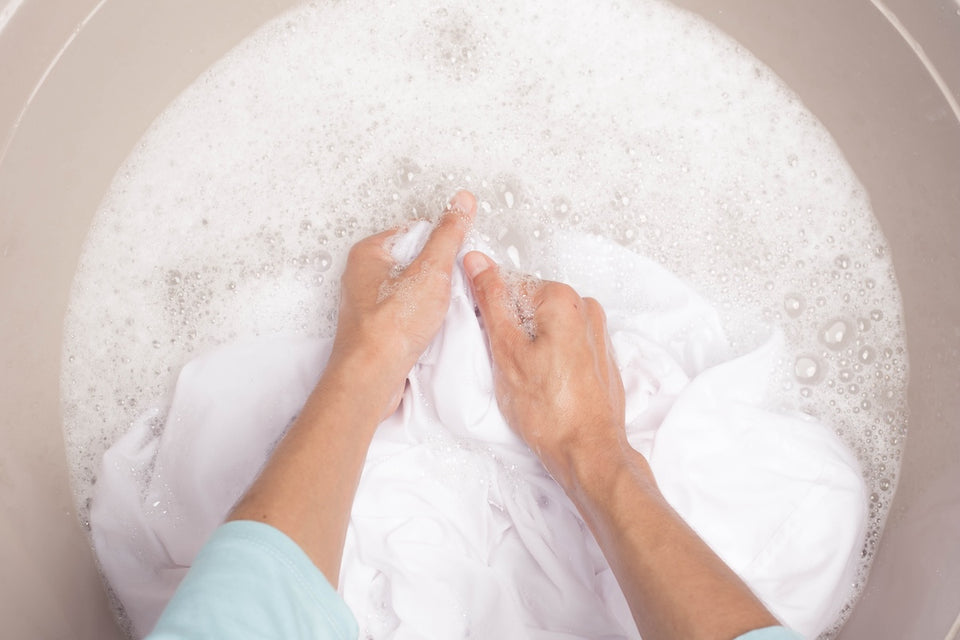
Never pack away clothing that has been worn, even for a short period. Perspiration, body lotions, and light perfumes leave subtle traces that darken over time. Washing items thoroughly before storage removes these substances before discoloration begins.
Avoid Fabric Softeners and Starch
Fabric softeners leave a thin coating over textile threads. This coating traps skin oils inside the weave and speeds up yellowing over winter. Liquid starch provides a food source for insects and becomes brittle over long periods. Wash summer pieces with a gentle, residue-free laundry soap designed for fine fabrics.
Ensure Garments Are 100 Per Cent Dry
Dampness remains the greatest threat to stored clothing. Even tiny amounts of moisture inside thick seams, waistbands, or collars can encourage mildew growth and permanent staining. Allow all laundered garments to air dry completely in a well-ventilated room before placing them in storage.
Choosing the Right Storage Materials
The containers and covers you choose for seasonal storage directly affect how fresh your clothes feel when spring arrives.
|
Recommended Storage Materials |
Storage Materials to Avoid |
|---|---|
|
Breathable 100 per cent Organic Cotton Bags |
Plastic Storage Boxes & Vinyl Covers |
|
Acid-Free Tissue Paper |
Vacuum Seal Bags |
|
Padded Wooden Hangers |
Wire or Thin Metal Hangers |
|
Climate-Controlled Wardrobes |
Standard Cardboard Boxes |
The Comfort of Breathable Organic Cotton
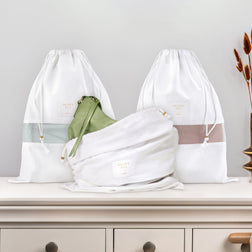
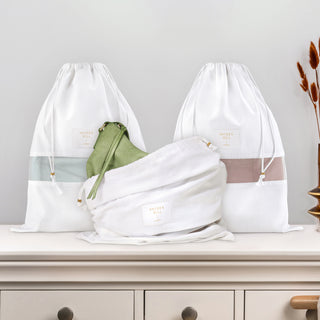
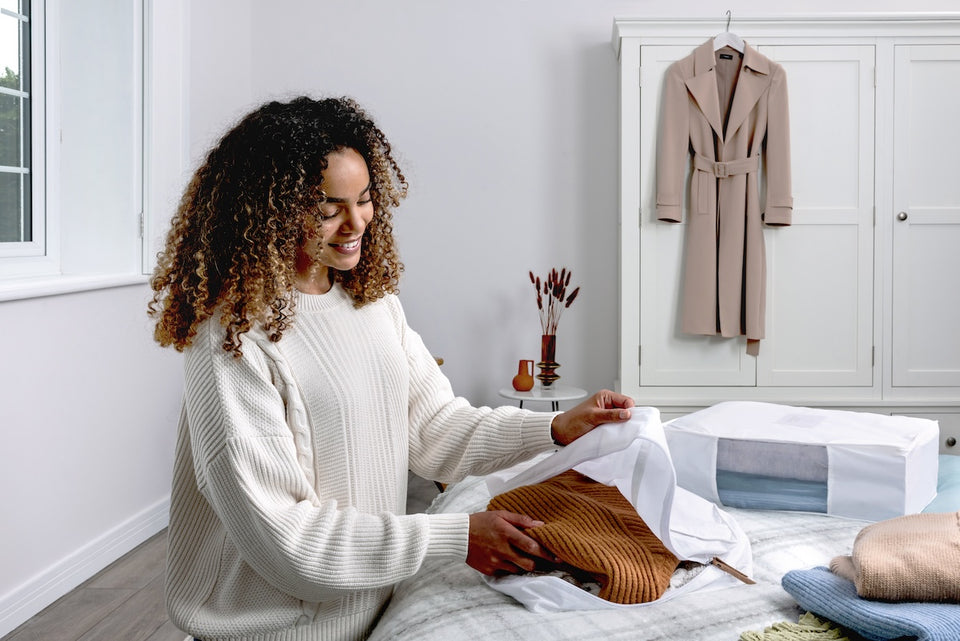
Plastic storage bins and vinyl covers trap ambient dampness and off-gas synthetic chemicals. Natural textiles like cotton, silk, and linen need gentle airflow to maintain their soft feel and flexibility. Storage bags made from 100 per cent organic cotton provide a soft barrier against dust and pests while allowing air to move freely.
Protecting Fine Pieces with Acid-Free Tissue
Delicate summer dresses, silk blouses, and embroidered tops benefit from gentle cushioning. Standard tissue paper contains acids that bleed into delicate threads, causing noticeable yellowing over time. Wrapping delicate silks and fine linens in acid-free tissue paper protects garments against deep creases and friction.
Creating a Safe Storage Space
A stable, gentle environment is essential when keeping delicate textiles safe through seasonal changes.
Keep Spaces Cool and Dry
Store your summer wardrobe in a cool, dry, and temperature-controlled area. Unheated attics, damp basements, and outdoor sheds experience dramatic changes in temperature and humidity, which accelerate fabric damage and attract pests. A shelf inside a bedroom wardrobe or a clean space under the bed offers a far safer home for your clothes.
Protect Clothes from Direct Light
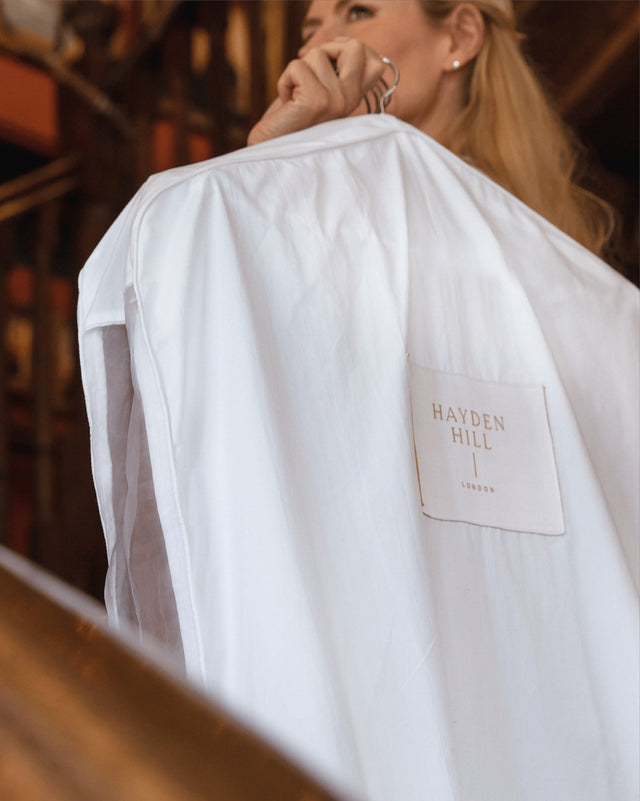
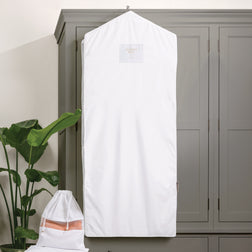
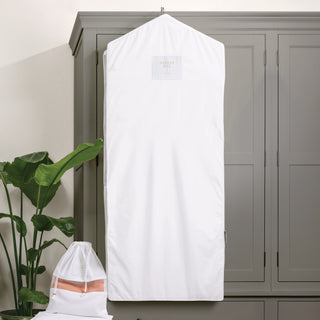
Sunlight and bright indoor light cause colored fabrics to fade and white textiles to yellow rapidly. Keep your storage spaces dark, or protect hanging garments with opaque organic cotton garment covers that block light while letting air circulate naturally.
Guarding Against Autumn Clothes Moths
Late summer and early autumn are active times for clothes moths. Moth larvae feed on microscopic organic matter, lingering perspiration, and natural fibers like silk, fine wool, and cotton blends. Washing garments before storage removes the scents that attract pests. Placing non-toxic Hayden Hill clothes moth traps in closet spaces offers clean, effective protection. These pheromone moth traps attract male moths to disrupt the breeding cycle naturally, keeping your wardrobe safe without harsh chemical smells.

A Simple Guide to Packing Your Summer Wardrobe
Following a thoughtful, step-by-step routine ensures every summer garment returns next spring looking and feeling its best.
-
Check Clothing Under Good Light: Look closely at every piece for faint spots, food spills, or collar marks that need attention before laundering.
-
Wash and Dry Thoroughly: Clean garments according to their care tags using a gentle laundry detergent. Skip softeners and starches, and ensure every item is 100 per cent dry before packing.
-
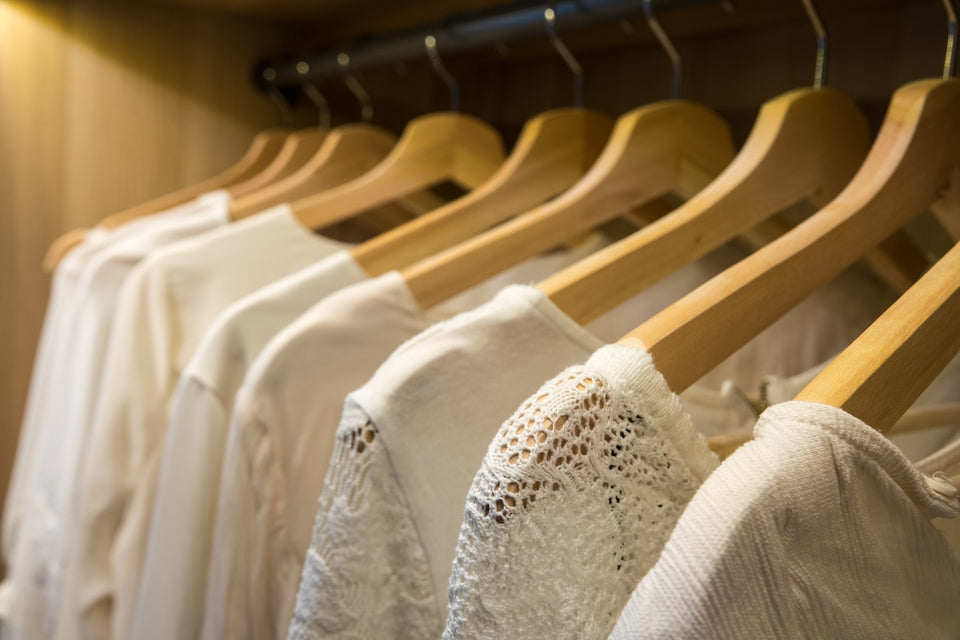
Fold or Hang with Care: Fold lightweight summer knits and delicate tops loosely, placing acid-free tissue paper between folds to prevent creasing. Hang linen blazers and summer dresses on wide, padded wooden hangers.
-
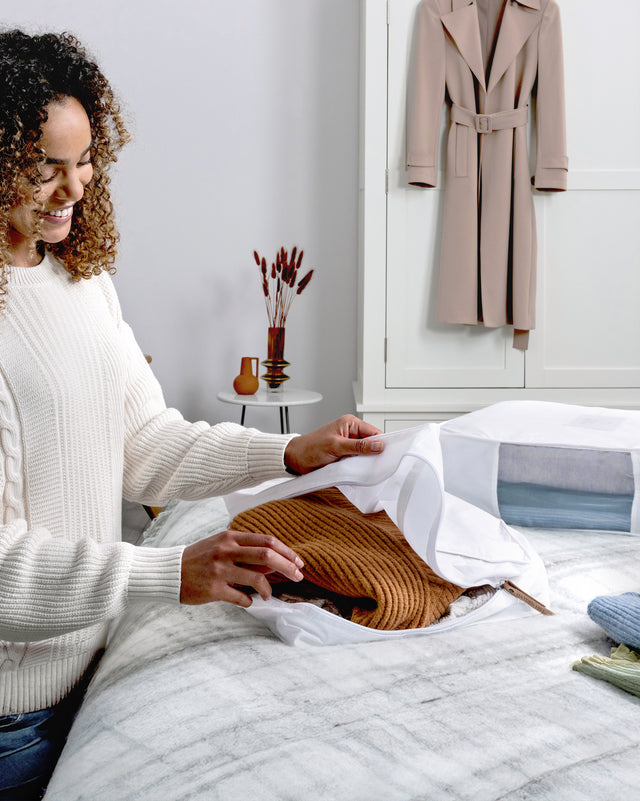
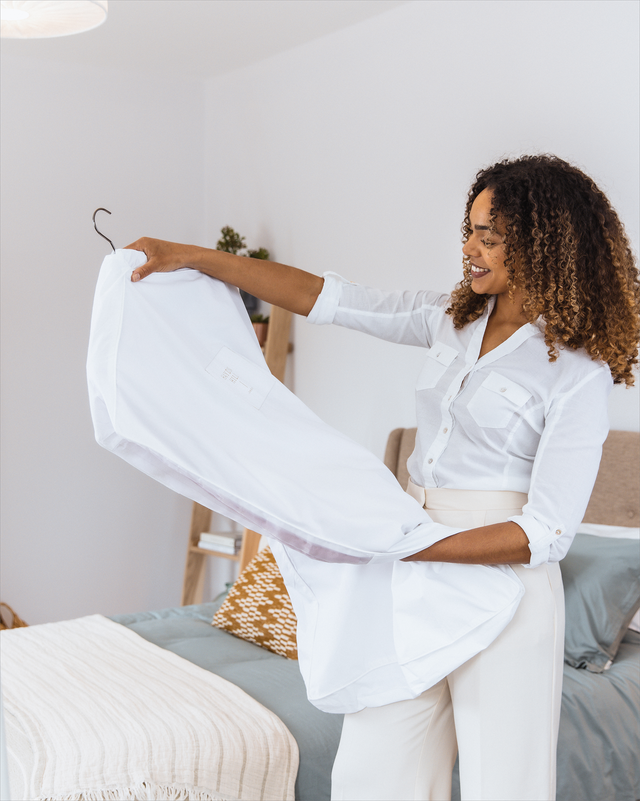
Enclose in Organic Cotton: Place hanging clothes inside breathable 100 per cent organic cotton garment bags. Store folded pieces inside soft cotton storage boxes for cozy, structured protection.
-
Place Moth Traps and Store Safely: Position Hayden Hill clothes moth traps nearby to keep watch for seasonal pests. Keep your packed collection in a dark, temperate wardrobe away from direct heat and dampness.
Frequently Asked Questions
Why do white clothes turn yellow while stored for winter?
White clothes turn yellow during winter storage because hidden skin oils, perspiration residues, and chemical fabric softeners slowly react with oxygen over time. When trapped inside dark, unventilated spaces, these clear organic residues undergo a chemical change that creates yellow or light brown stains.
Is plastic or organic cotton better for storing summer clothes?
Organic cotton storage is far better for preserving delicate clothing over long periods. Plastic containers trap humidity, prevent natural air movement, and release chemical gases like BHT that cause yellowing. Breathable 100 per cent organic cotton covers shield garments from dust while letting fibers breathe safely.
How do you protect stored summer clothes from moths?
Protect summer clothes from moths by washing every piece prior to packing to remove hidden scents and organic matter. Enclose clean garments in 100 per cent organic cotton storage bags to block pests physically. Positioning natural Hayden Hill clothes moth traps in your closet stops moth breeding cycles without relying on artificial scents or toxic chemical sprays.
Can yellow oxidation stains be removed after storage?

Many yellow stains can be lifted safely from natural fabrics. An oxygen-based stain remover or a gentle soak in warm water with sodium percarbonate can remove yellow marks from white cotton and linen. Avoid using chlorine bleach, as it reacts harshly with natural fibers and often makes yellow marks permanent.
Should summer clothes be ironed before seasonal packing?
It is best to avoid heat-ironing garments right before long-term storage. High heat from irons can set invisible spots into fabric threads, making them much more likely to turn yellow over winter. Wash and dry garments completely, steam lightly if needed, and ensure all warmth and moisture have evaporated before packing.
Caring for What You Love
Caring for fine clothing is a gentle, rewarding commitment to longevity and thoughtful living. Summer linens, delicate silks, and favorite cotton tops are investments worth keeping for years to come. Taking a little time to clean, prepare, and protect these pieces as autumn arrives ensures they remain fresh and beautiful for many spring seasons ahead.
By swapping plastic storage boxes for breathable organic cotton and using natural moth protection, you create a calm, safe home for your wardrobe. Thoughtful preservation honors the story of your clothing and ensures every piece remains ready to wear at a moment's notice.