

Fall Laundry Care Guide: Preserving Seasonal Fabrics and the Art of the Gentle Wash
< Back to Journal
Fall arrives with an invitation to slow down, pull beloved knitwear from storage, and embrace heavier textures: merino wool, brushed cotton, structured denim, and fine cashmere. Yet transitional weather introduces unique garment care challenges. Damp morning air, fluctuating indoor heating, and delicate seasonal fibers require mindful laundering routines to prevent unnecessary wear.
In this fall laundry care guide, you will learn how to care for seasonal fabrics, refresh worn garments between cycles, and preserve garment structure using gentle, measured techniques. We also introduce the conscious cleaning principles behind our Hayden Hill Laundry Sheets, recently selected as the Cleaning Category Winner in the Woman & Home Reader Approved Awards. Garment longevity begins with thoughtful routines: gentle washing preserves fibers, while breathable storage ensures your seasonal investments remain pristine year after year.
Why Fall Wardrobes Require a Different Laundry Routine
Seasonal transitions affect the demands placed on natural textiles. Fall clothing often features thicker weaves, sensitive animal fibers, and tailored layers that do not tolerate aggressive machine washing or harsh chemicals.
When cool weather sets in, garments encounter three key stressors:
-
Friction during washing: Heavy seasonal fabrics create increased resistance inside the drum. This friction abrades delicate surface fibers and accelerates pilling.
-
Moisture retention: Dense fall knits absorb substantial water weight during wash cycles. Improper handling or hanging can stretch wet fibers beyond their elastic recovery limit.
-
Excessive washing: Outer layers, blazers, and mid-weight sweaters rarely require full immersion cleaning after a single wear. Over-washing strips natural oils like lanolin from wool, leaving fibres brittle.
According to textile research published by The Woolmark Company, wool fibers possess an innate protective outer layer that naturally resists odors and stains.. Laundering fall garments too frequently degrades these intrinsic protective qualities. A thoughtful approach balances necessary cleaning with gentle preservation.
Laundry Sheets Are a Winning Formula: Award-Winning Fabric Care
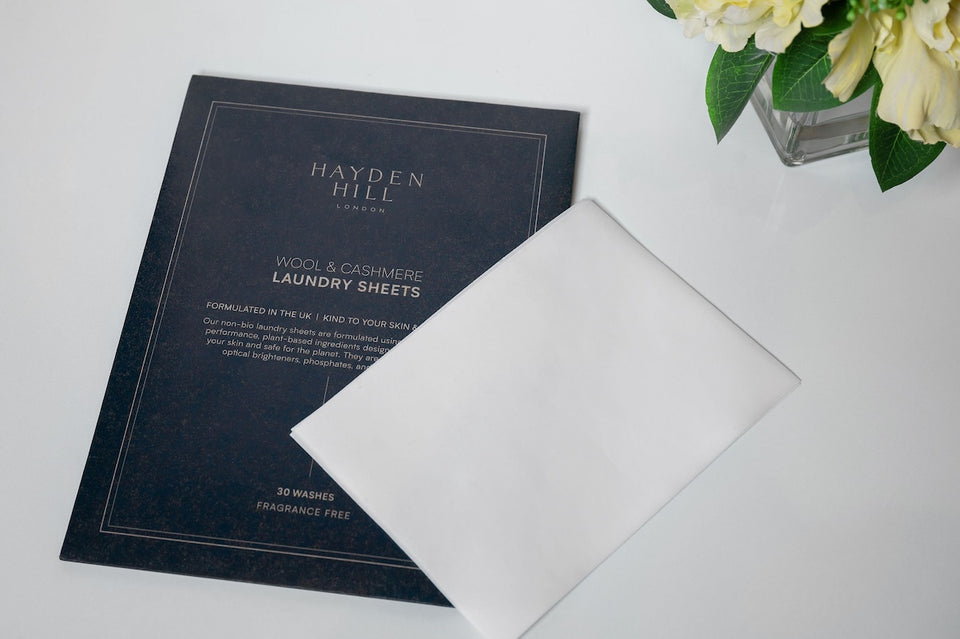
Liquid detergents in bulky plastic bottles frequently contain up to 80 per cent water, along with harsh surfactants, synthetic brighteners, and artificial thickeners. These ingredients often leave residue embedded deep within textile fibers, resulting in stiff knits and dull colors over time.
Hayden Hill Laundry Sheets represent a conscious evolution in laundry care. We are honored that our laundry sheets were named the Cleaning Category Winner in the Woman & Home Reader Approved Awards. Tested and approved by discerning readers, this recognition confirms that high performance and gentle stewardship can exist in perfect harmony.
The advantages of measured, concentrated laundry sheets include:
-
Pre-measured dosing: Pre-dosed sheets eliminate detergent overdosing. Excess detergent traps dirt and leaves mineral deposits on delicate threads.
-
Gentle formulation: Free from aggressive optical brighteners, our sheets clean thoroughly without stripping natural fibers.
-
Zero plastic waste: Dissolvable sheets packaged responsibly eliminate bulky plastic packaging from household routines.
-
Effective in cold water: The concentrated formulation dissolves rapidly and completely, ensuring an even, residue-free wash even at low temperatures.
How to Wash Fall Clothes: Temperature, Cycles, and Friction
Understanding the physical dynamics of machine washing allows you to make informed decisions for each fall load.
1. Wash in Cold Water
Cold water washing protects structural fibers from thermal shock. High temperatures cause natural protein fibers like wool and silk to shrink and lose elasticity. Washing at 86°F or below also reduces household energy consumption while keeping colors vibrant.
2. Reduce Friction with Mesh Bags
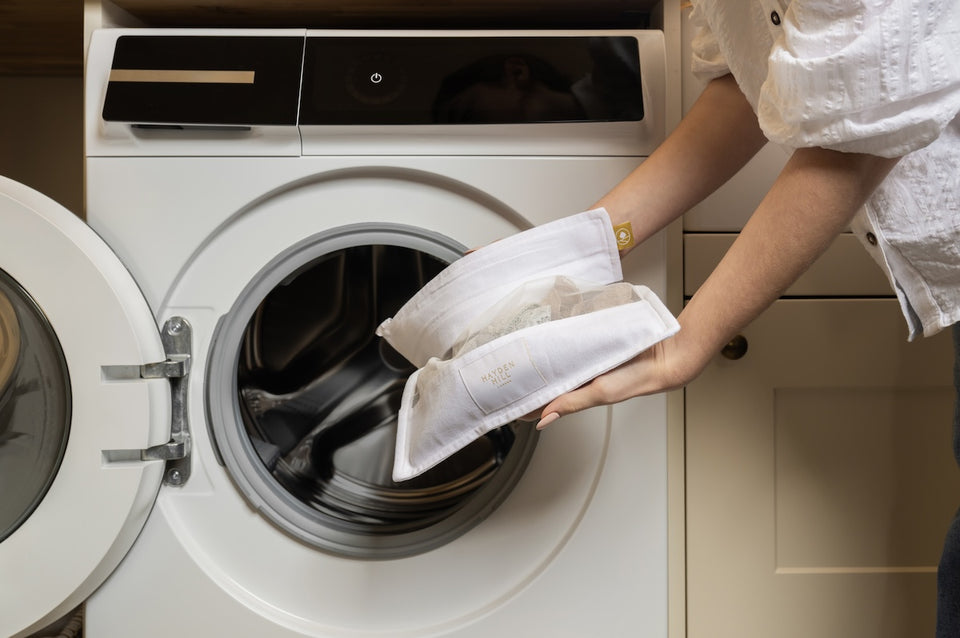
Delicate fabrics require protection from abrasive zippers, metal buttons, and rough seams during agitation. Place fine knits, silk blouses, and lightweight wool pieces inside dedicated mesh wash bags before placing them in the machine drum. Mesh laundry bags reduce friction and protect delicate fabrics during machine washing.
3. Choose the Gentle or Woolmark Cycle
Opt for low-spin cycles (600 to 800 RPM) for heavier autumn knits. High spin speeds exert centrifugal force that stretches wet seams and distorts tailored silhouettes.
4. Dry Flat to Preserve Shape
Never tumble dry fine knitwear or woolens. Squeeze excess moisture out gently by rolling the garment inside a clean cotton towel. Lay the piece flat on an airer away from direct heat sources and direct sunlight.
How to Get Clothes Smelling Lovely Naturally
A common question among those who care for what they wear is how to achieve clean, beautifully scented laundry without synthetic perfumes. Heavy artificial fragrances and conventional fabric conditioners coat fibers in a silicone film that reduces breathability and traps bacteria over time.
To keep your fall laundry smelling lovely, focus on genuine fabric freshness:
-
Clean the washing machine drum: Odors on clean clothes frequently stem from detergent residue and mold inside the machine seal. Run a monthly empty cycle at 140°F with natural white vinegar to clear residue.
-
Dry garments thoroughly: Fall humidity can slow indoor drying. Ensure complete air circulation around drying racks to prevent damp, sour smells from developing.
-
Introduce natural botanicals to storage: Once dry, store garments alongside natural lavender sachets or cedar blocks. Natural botanicals scent clothes delicately without artificial chemicals or oily coatings.
-
Use pure essential mists on cotton: Lightly misting natural drawer liners or storage bags with organic botanical mists imparts a clean, subtle aroma that lingers gently.
The Quick Refresh: Caring for Layers Between Wears
Laundering should never be an automatic reaction after every wear. Outer sweaters, pants, structured jackets, and cardigans benefit significantly from non-invasive refresh methods that restore freshness while conserving water and fabric integrity.
The Steam Method
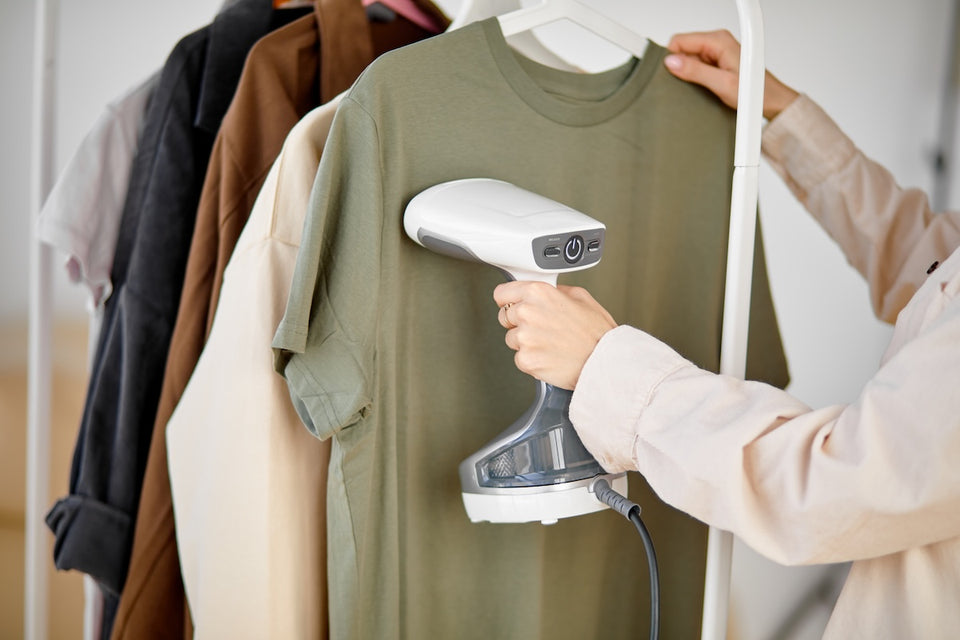
Steam relaxes compressed yarns, releases stubborn wrinkles, and neutralizes minor odors. Hold a garment steamer a few inches away from wool, cashmere, or heavy cotton to refresh the drape. The heat from clean steam lifts flattened fibers without surface friction.
The Fresh Air Drape
Hang knitwear and tailored outerwear near an open window or on a covered porch for two to three hours on dry, breezy fall days. Natural air circulation carries away trapped ambient odors and refreshes organic fibers naturally.
Spot Cleaning
Address isolated marks promptly using a damp cotton cloth and a minute drop of dissolved laundry sheet. Blotting the mark gently from the outside edge inward removes the blemish without submerging the entire garment in water.
The Garment Brush
Use a natural boar-bristle clothes brush on wool coats, blazers, and tailored pants after wearing. Brushing downwards removes surface dust, lint, and dried mud before particles settle into the weave.
Fall Wardrobe Rotation: Proper Storage Systems
As summer linen and lightweight silk return to storage to make room for cool-weather staples, proper seasonal storage protocols are essential.
-
Always store clothes clean: Never pack away garments unwashed. Invisible body oils, perfume traces, and skin cells attract clothes moths (Tineola bisselliella). Moths feed on keratin found in animal fibers, creating irreparable holes.
-
Avoid synthetic plastic containers: Plastic containers trap humidity and increase the risk of fiber deterioration and yellowing. Natural textiles require constant airflow to remain stable.
-
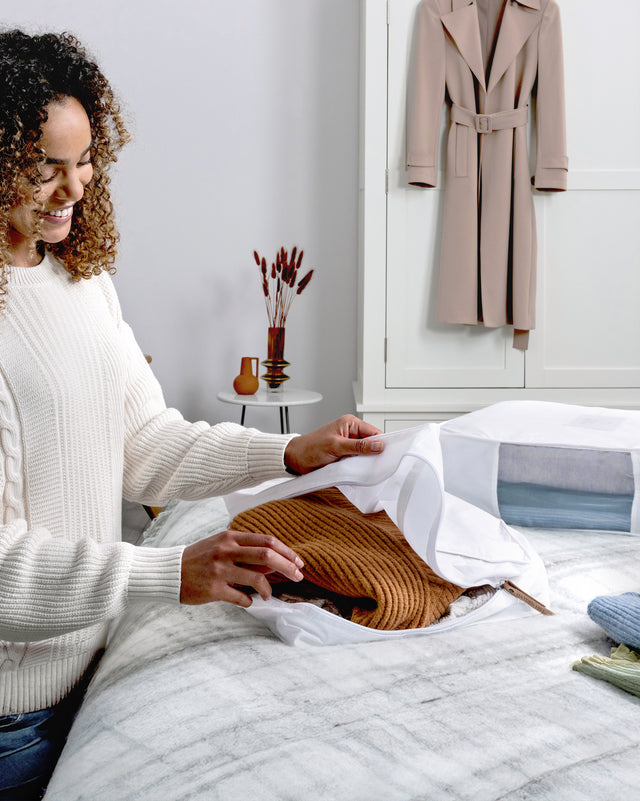
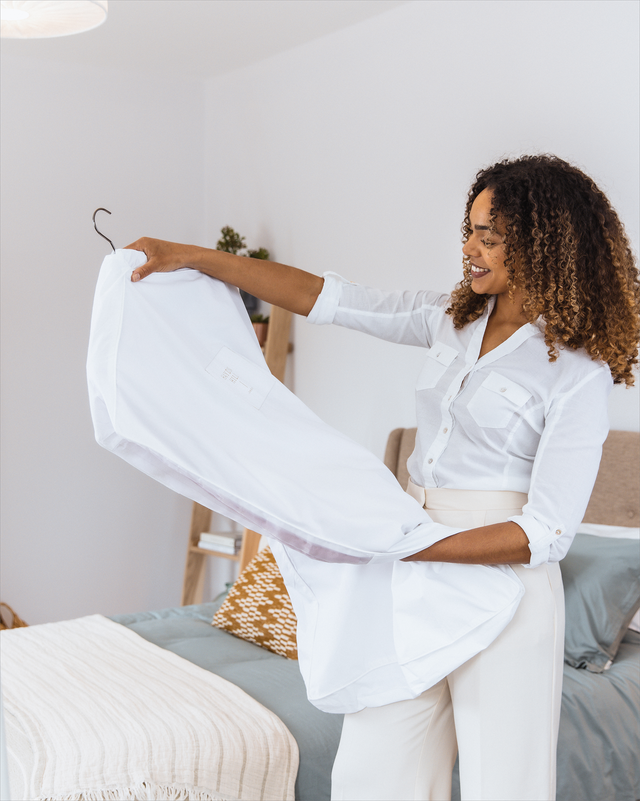
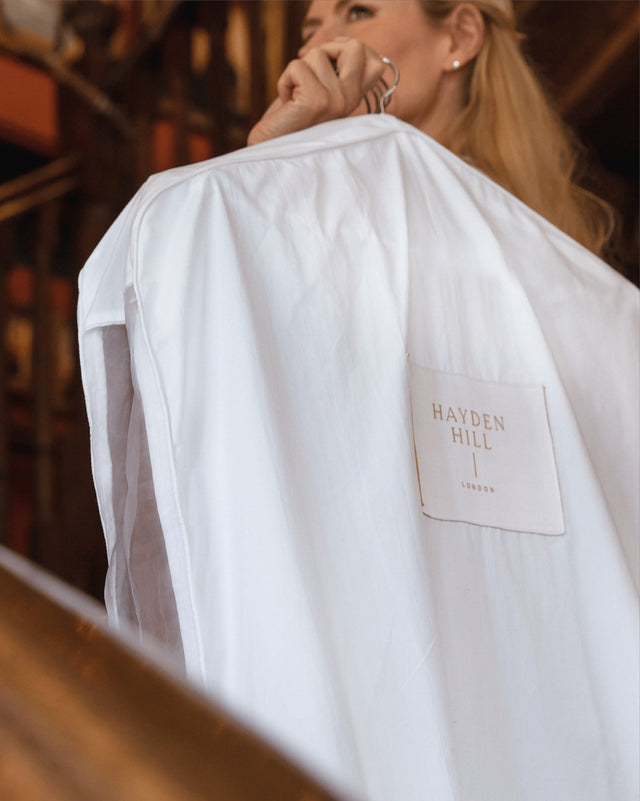
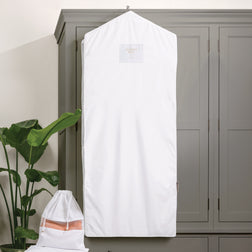
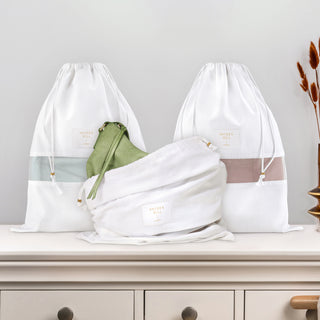
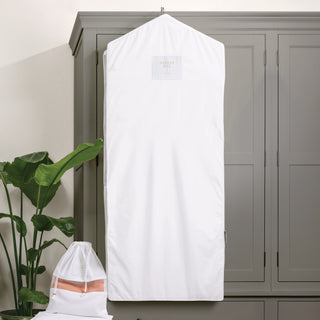
Rely on breathable organic cotton: Cashmere fibers require breathable storage to prevent moisture damage. Hayden Hill storage bags, crafted from certified organic cotton, offer complete protection against dust, light, and fabric pests while allowing necessary air circulation.
-
Fold heavy knits: Never hang heavy sweaters on hangers. Gravity pulls down on knit loops, resulting in stretched necklines and misshapen shoulders. Fold knits carefully and store them in breathable storage bags.

Frequently Asked Questions
How often should fall knitwear be washed?
Fall knitwear should typically be washed only after every four to six wears, unless noticeably soiled. Natural fibers like wool and cashmere naturally repel odors and resist dirt. Hanging garments to air between wears refreshes the fibers effectively and extends garment life.
Can laundry sheets be used on delicate wool and cashmere?
Yes, gentle laundry detergent sheets formulated without bleach, optical brighteners, or enzymes are suitable for delicate wool and cashmere. Dissolve half a sheet in cold or tepid water before submerging garments for gentle hand washing.
Why do clothes develop a musty smell during fall?
Musty smells develop when wet clothing dries too slowly in humid, poorly ventilated indoor environments, or when detergent residue accumulates inside the washing machine drum. Ensuring adequate air circulation around drying racks and regularly cleaning the machine drum eliminates musty odors.
What is the best way to prevent moth damage to fall knitwear?
The best way to prevent moth damage is to wash all garments before storing them, keep knitwear in breathable organic cotton storage bags, and place pheromone clothes moth traps in wardrobe spaces. Hayden Hill clothes moth traps provide clean, non-toxic monitoring to detect adult moths and disrupt the breeding cycle before larvae damage delicate fibers. Regular wardrobe vacuuming removes lingering dust and larvae habitats
Why should fabric softeners be avoided on fine garments?
Fabric softeners leave a chemical coating over textile fibers that impairs their natural breathability and moisture-wicking abilities. This build-up weakens yarn structures, causes towels to lose absorbency, and attracts dirt over time.
Preserving What You Love Through the Changing Season
Caring for your wardrobe is a thoughtful way of honoring what you own. By adjusting your fall laundry care to include lower wash temperatures, friction-reducing mesh bags, and the gentle, award-winning performance of Hayden Hill Laundry Sheets, you preserve the texture, drape, and warmth of every layer.
When clothing is treated with patience, thoughtful systems, and breathable natural storage, fine fabrics reward you with years of comfort and beauty. Caring for what you love keeps your fall wardrobe timeless, elegant, and enduring.